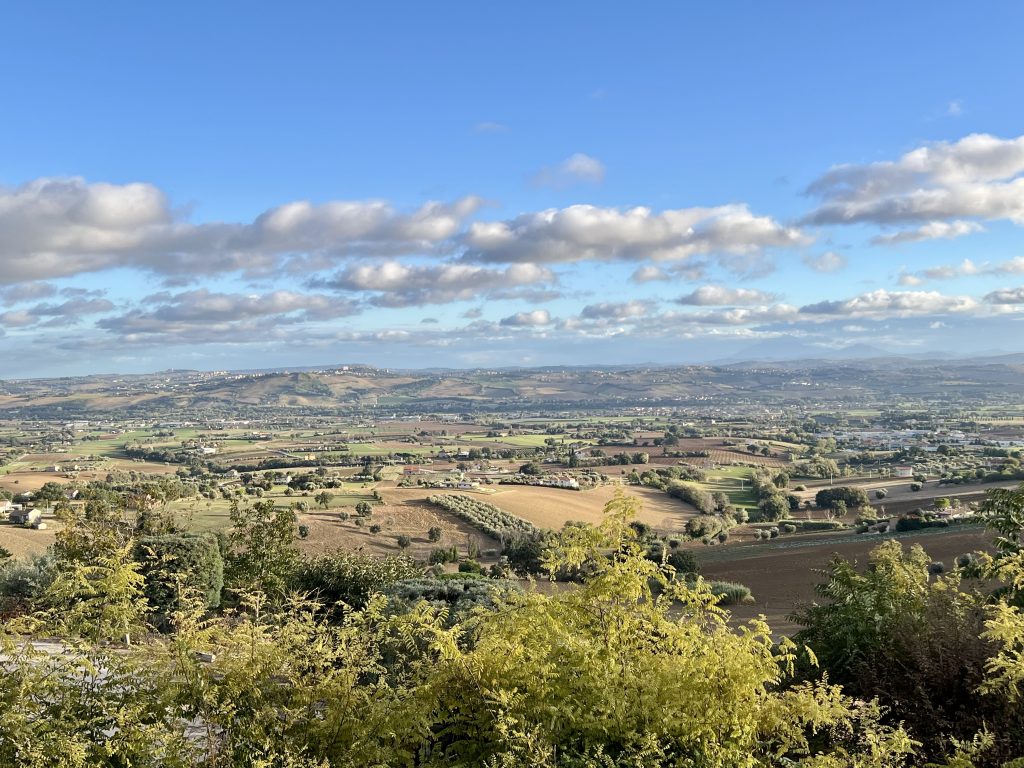
One of the many special qualities about the Marche is that we don’t have one big museum, church, landmark, or famous artwork. We have thousands of them, smaller in scale, scattered all over. Hidden gems, often not promoted, which can make it a challenge, especially for first-time visitors, to discover our best treasures.
At Casa Pace e Gioia, I am always available prior to your stay to help plan an unforgettable holiday specific to your interests. Our Digital Guest Guidebook is also full of local advice to help you explore our beautiful area. And here are 5 towns worth a visit, all within about an hour’s drive from Casa Pace e Gioia, all with an amazing lunch recommendation.
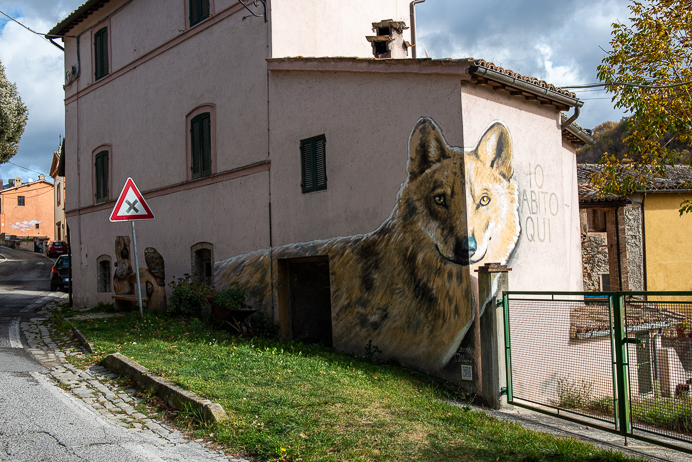
Braccano, the town of murals, is an unforgettable village of only 150 inhabitants with more than 85 murals painted on the exteriors of buildings, city walls, garages, and doors. Many of them are visible from the main road that bisects the town, but signs along the way point you towards others along narrow and winding alleys of this art-filled town.
The mural project started in 2001 with a partnership between the town and art students from 3 universities and has grown to include international artists. It’s about a 50 minute drive. Park in the well-signed lot across the street from the Museum of the Resistance. The road through town is not busy and it’s not a difficult or steep walk. Several hiking trails crisscross the town, which is in the Monte San Vicino and Monte Canfaito Nature Reserve if you’d like to hike.
Lunch at Murales Ristoro, on the main road in Braccano is memorable. In a casual, art-filled and eclectic space, they serve an excellent meat and cheese platter, grilled meat and vegetarian dishes, and an amazing fritto misto.
Servigliano is a uniquely flat and Baroque town laid out in squares 35 minutes southeast of Casa Pace e Gioia. The town hosts a rather large market on Monday mornings featuring locally made hats, scarves, and shoes, in addition to the usual local market offerings.
In 1915 a prisoner of war camp was built in Servigliano to house Austrian and Hungarian prisoners. During World War 2, Greek and Allied soldiers were held here until many escaped in 1943 by making a hole in a perimeter wall. The escaped soldiers took refuge with farm families in the area who hid them. Later, under German control, the Servigliano Camp contained Jewish people from the area who were held here until they were sent to Auschwitz. Only one survived. After the war, the camp served as a refugee center.
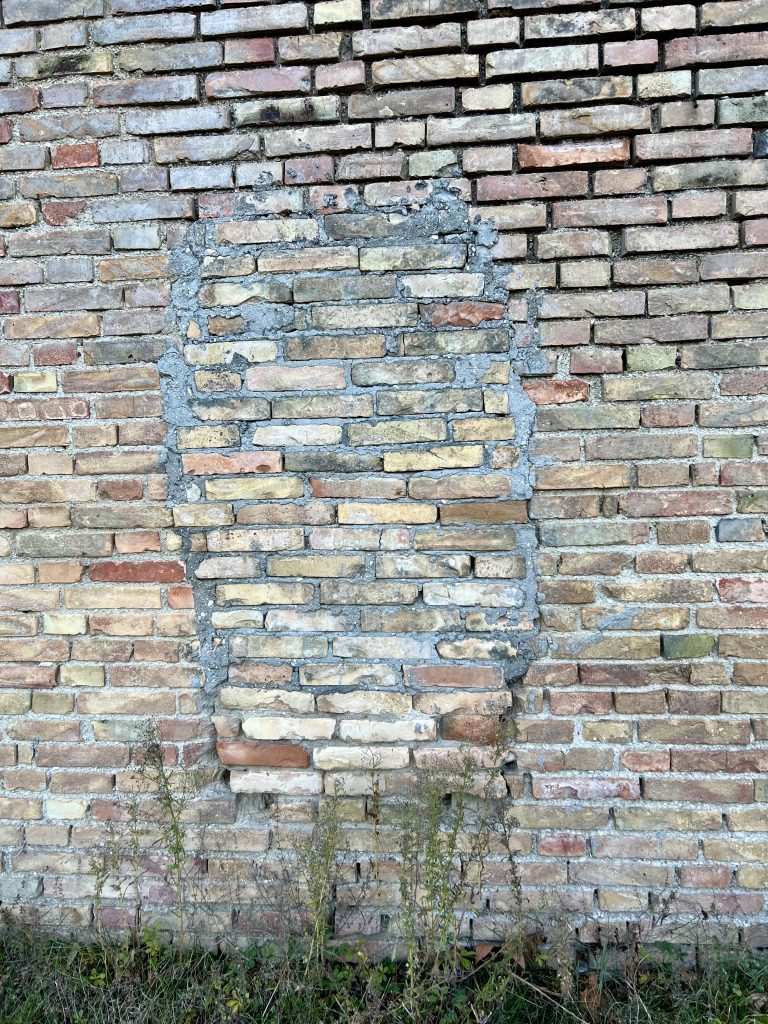
Today, the camp serves as a “House of Remembrance.” A museum in the former rail station exhibits the history of the camp, and in the adjacent Peace Park, you can see remnants of the past in the barbed wire and glass shards above the wall, and the repaired area where the soldiers escaped. Guided tours are available and I highly recommend it.
Lunch or dinner is a must at the wonderful Pane e Vino in the historic center of Servigliano. This award-winning restaurant has outstanding local cuisine, a fabulous wine list, excellent service, and a lovely ambiance.
Pioraco is a beautiful town with tributaries of the Potenza river running through it. Paper has been made here since the 1300s and Pioraco hosts a paper making museum where they demonstrate the process. Walking the back alleys, you can see where each house had an external basin connected to the river to do laundry. A long canal runs from the park at the city center and has picturesque bridges which make a nice walk.
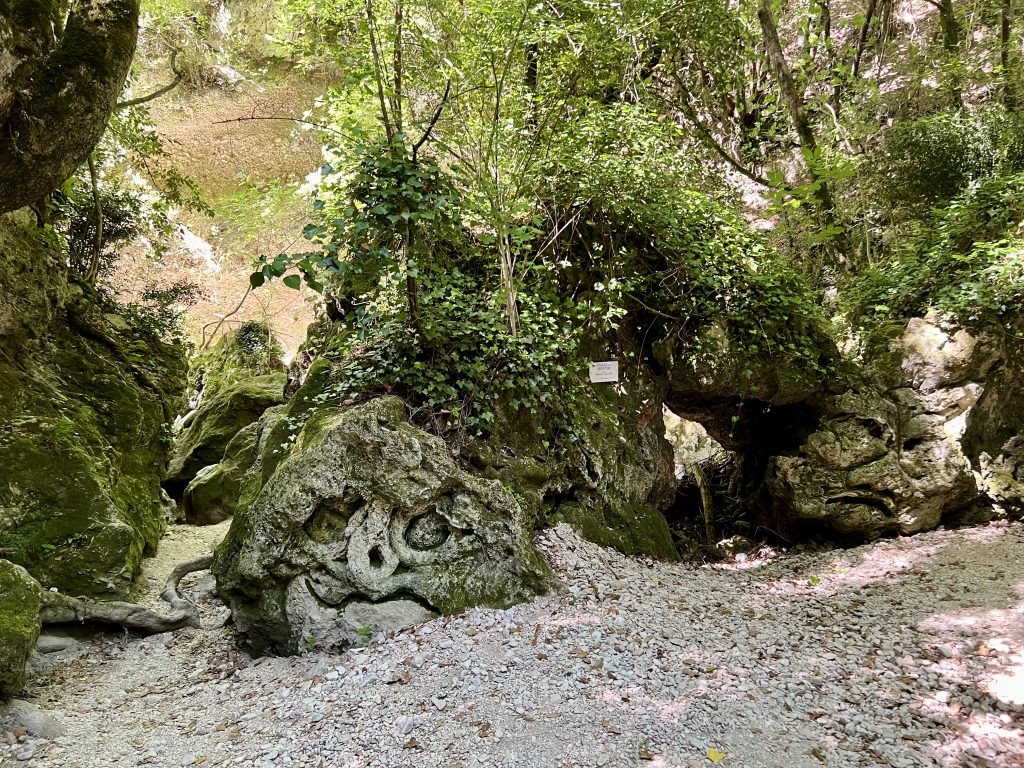
The church of the Madonna of the Caves is very interesting, and inside, you can hear the water dripping from the ceiling of the cave. It is very near the entrance to the walking path Li Vurgacci, with waterfalls and stone-carved “monsters” that winds back towards the historic center. A longer path goes up the hill to a scenic overlook with amazing views of the town and the surrounding area. If you want to hike further, numerous marked trails are in the area.
For a relaxing lunch or dinner, I recommend La Fenice Bistrot, just a short walk from the main piazza. The owner is very welcoming, and the food is fresh, local, and delicious.
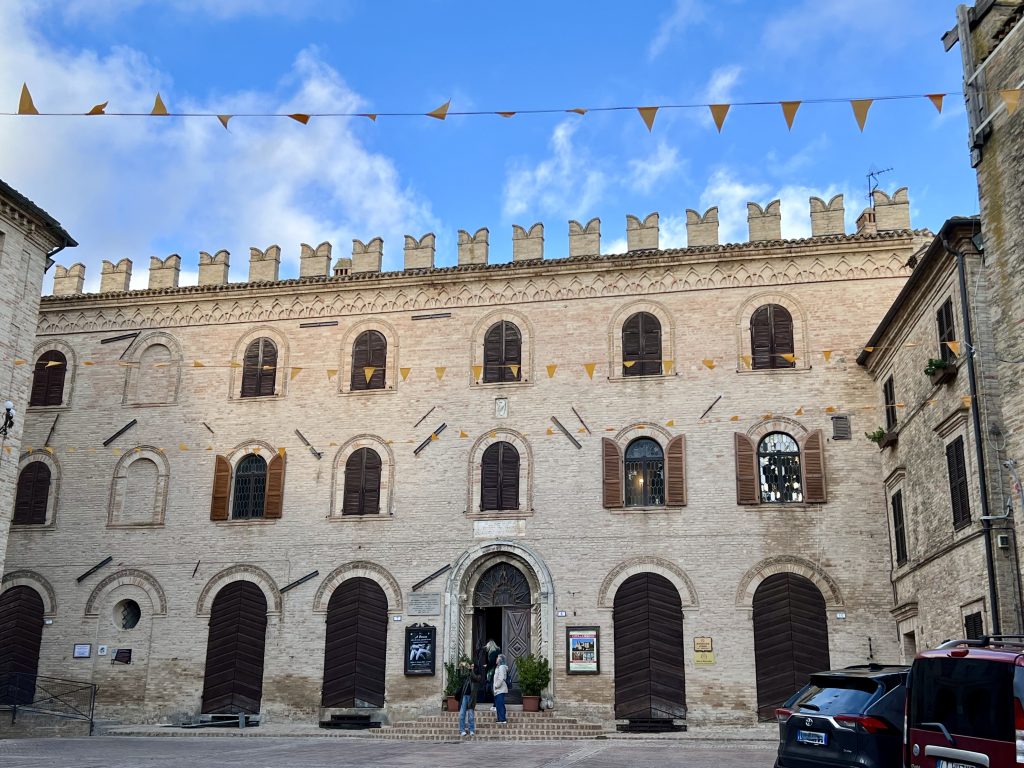
Morrovalle is a hilltop town said to have been founded by Charlemagne. Pass through the dramatic gate to reach the medieval historic center, in which the Palazzo Lazzarini hosts a portrait gallery, archeological finds from the 13th century, paintings from the 15th-18th century, and an exposition space. The nearby International Museum of Nativity Scenes has more than 800 scenes from all over the world, made with all sorts of materials, on display.
Exiting the city gate, follow the tree-lined sidewalk to reach the observation point with breathtaking views of the valley below.
Enjoy a wonderful lunch (no dinner) at Trattoria Sammartommè just outside the main gate to the town. Reserve in advance as it is a small but fantastic restaurant with homemade pastas, fish and meat dishes, tasty desserts, and friendly service.
Only a ten minute drive from Morrovalle is the Church of Santa Maria a Piè di Chienti, a national landmark since 1902. This interesting two-level church was first mentioned in 936. The current building was constructed in 1125, and had been modified throughout the centuries. It houses luminous 14th century frescoes in an atmospheric environment.
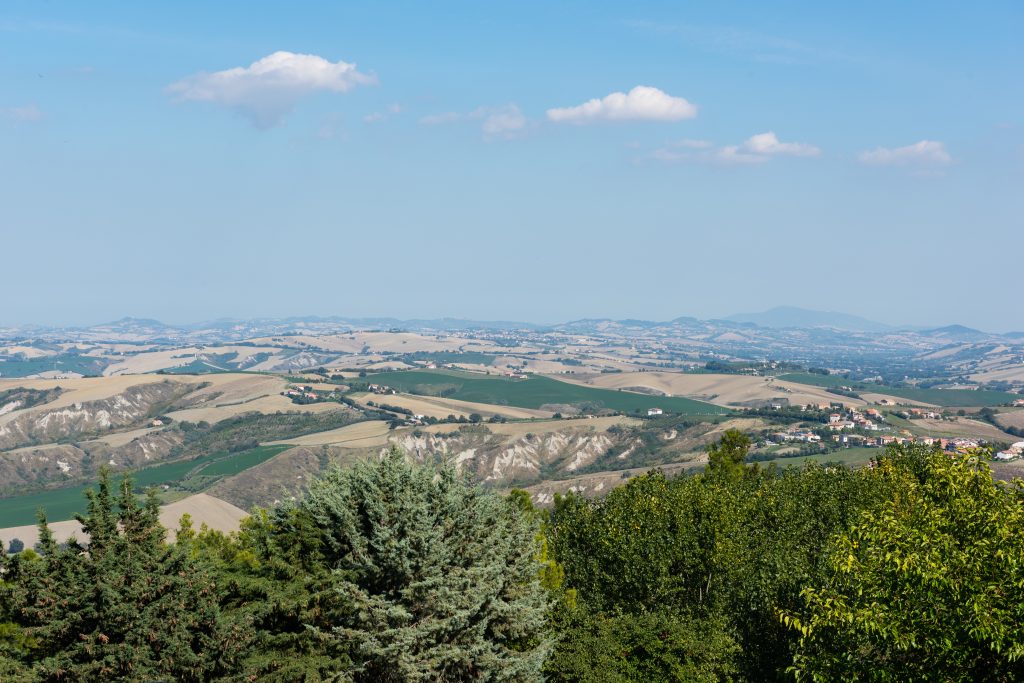
Staffolo is in the heart of Verdicchio wine country and deserves a visit, especially if you’d like to visit a nearby winery. Their 14th century medieval walls are intact and 2 gates lead into the town. The 13th century Church of Sant’Egidio was used as a hospital during the 1591 plague and has a 15th century polyptych. The nearby 13th century church of San Francesco has numerous artworks and a special organ.
Enoteca Vineritage is a wine bar and restaurant that houses a wine museum where you can see the tools winemakers used in the past.
For weekend lunches and weekday dinners, Osteria Vino e Cucina is unbeatable. They are friendly and the food is incredible: fresh pastas, amazing roasted meats, homemade desserts, and of course, great wine.